I’m going to say something that might sound harsh, but I think you already know it: most corporate events are forgettable. Like, genuinely, completely forgettable. I’ve been in the live events industry for over 14 years now, and I’ve attended hundreds of corporate events — as a vendor, as a guest, sometimes just as a guy who wandered in because the food smelled good. And I can count on two hands the ones I actually remember.
That’s a problem. Because companies spend lakhs — sometimes crores — on events that people forget by the time they reach the parking lot. The presentations blur together. The “networking breaks” become awkward phone-scrolling sessions. The keynote speaker reads bullet points off a slide. Everyone claps politely, collects their goodie bag, and goes home.
But here’s the thing: it doesn’t have to be that way. I’ve also seen events that gave people goosebumps. Events where strangers became collaborators. Events where people pulled out their phones not to scroll Instagram, but to text their colleague, “You need to see this.” The difference between forgettable and unforgettable isn’t always budget. It’s intention.
So let me walk you through what I’ve learned — from 275+ events with clients like Airbus, Toyota, and dozens of Bangalore-based companies — about what actually makes a corporate event stick in people’s minds.
The First 5 Minutes Rule
You’ve heard of first impressions. In events, I think of it as the “first 5 minutes rule.” If you haven’t hooked your audience in the first five minutes, you’ve already lost a significant chunk of them — mentally, if not physically.
I learned this the hard way. Years ago, we were doing production for a tech company’s annual meet. The event opened with the CEO walking up to the podium, adjusting the mic for 30 seconds, clearing his throat, and then saying, “So, let’s look at last quarter’s numbers.” I watched the energy drain out of that room like someone had pulled a plug. People were on their phones within two minutes.
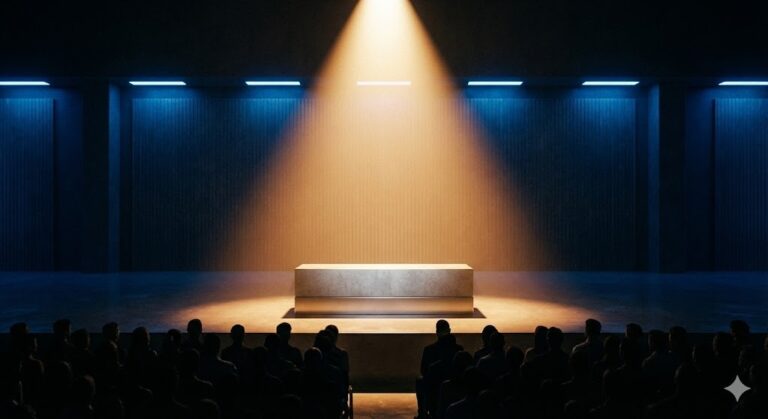
Contrast that with another event we did — a product launch for an automotive client. The lights went down. A single spotlight hit the stage. A 40-second teaser video played with a thumping soundtrack. When the lights came back up, the product was on stage, and the room erupted. Same general audience demographic. Same time of day. Completely different energy.
Your opening doesn’t need pyrotechnics. But it needs to signal to the audience: this is going to be different. Pay attention. That could be a provocative question. A short, well-produced video. A live demonstration. Even a moment of deliberate, confident silence before the first speaker begins. Just don’t open with logistics announcements. Please. I’m begging you.
Storytelling Over Presentations
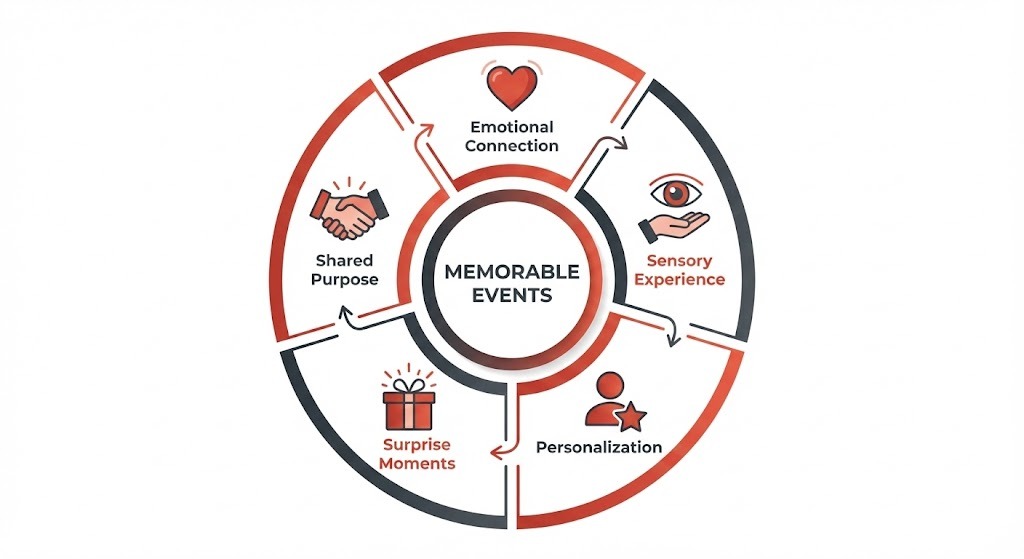
Here’s a question I ask clients during planning meetings that sometimes catches them off guard: “What’s the story of this event?”
They usually look at me like I’ve asked them to write a screenplay. But I’m serious. Every memorable event has a narrative arc. There’s a beginning that sets up a problem or an aspiration. There’s a middle that explores it. And there’s an end that resolves it or calls people to action. That’s not some fancy event-management theory — it’s just how humans have processed information for thousands of years.
The problem with most corporate events is that they’re structured like a to-do list. Keynote. Panel. Tea break. Another panel. Lunch. Keynote. Vote of thanks. Go home. There’s no thread connecting any of it. Each session exists in isolation.
When we work with clients on event design, I push them to find that thread. If it’s a company’s annual conference, maybe the thread is the journey from where they were five years ago to where they’re headed. If it’s a product launch, maybe it’s the customer problem that led to the product’s creation. If it’s a team offsite, maybe it’s a shared challenge the team is going to tackle together by the end of the day.
You don’t need to be Steven Spielberg. You just need a “why” that connects your sessions together. When you have that, even a panel discussion about supply chain logistics can feel like it matters — because the audience understands how it fits into the bigger picture.
Production Value: It’s Not About Spending More
I run a production company, so you might expect me to say “spend more on production.” But honestly, that’s not the point. The point is to spend intentionally on production.
I’ve seen events with massive budgets that looked terrible because nobody thought about lighting. The stage was lit with the same flat fluorescent tubes that light the office cafeteria. The speakers looked washed out. The audience felt like they were in a meeting room, not at an event. Meanwhile, I’ve seen events with modest budgets that felt cinematic because someone took the time to set up a few well-placed LED panels and a proper sound system.
Lighting is probably the single most underrated element in corporate events. Good lighting transforms a space. It tells the audience’s brain, “Something special is happening here.” It directs attention. It creates mood. And it doesn’t have to cost a fortune.
Sound is the second most underrated element. Bad sound is worse than bad visuals, in my experience. If people can’t hear clearly, they check out immediately. A wireless lapel mic, a decent speaker setup, and someone who actually does a sound check before the event — that’s the bare minimum, and you’d be surprised how many events skip even that.
Staging is third. Your stage doesn’t need to look like a TED Talk set, but it should look like someone designed it. A clean backdrop, some branded elements, proper placement of screens and podiums — these things signal professionalism and make speakers feel more confident, which in turn makes them perform better.
Audience Engagement: Beyond “Any Questions?”
The phrase “any questions from the audience?” followed by 10 seconds of uncomfortable silence is, I think, the most common failure mode in corporate events. It’s not that people don’t have questions. It’s that nobody wants to be the first person to raise their hand in a room of 300 colleagues.
The fix isn’t complicated. Live polling tools — Mentimeter, Slido, even simple Google Forms — let people participate anonymously. We started incorporating these into events about five years ago, and the difference was immediate. Suddenly, audiences that seemed disengaged were flooding the screen with responses. People were laughing at the results. Speakers were riffing on real-time feedback. It changed the entire dynamic.
Gamification works too, especially for longer events. Leaderboards, trivia, challenges tied to the event content — these sound gimmicky, but they tap into something real about human psychology. People want to participate when there’s a structure for participation. We’ve done this for corporate training events and seen engagement metrics jump dramatically.
Then there are experiential elements — things people can touch, try, or interact with. Product demos they can get their hands on. Photo opportunities that aren’t just a branded backdrop but something genuinely creative. Interactive installations that relate to the event theme. These create what I call “share moments” — things people photograph and post, extending your event’s reach far beyond the room.
Food and Networking: The Unsung Heroes
I’m going to let you in on a secret that event organizers don’t love to hear: most attendees will remember the food and the conversations more than the keynote. That’s just reality. I’ve accepted it.
This doesn’t mean your content doesn’t matter — it does. But it means you should stop treating food and networking as afterthoughts. The tea break isn’t just a biological necessity. It’s where deals get discussed, partnerships form, and ideas cross-pollinate. Design your networking time as carefully as you design your stage time.
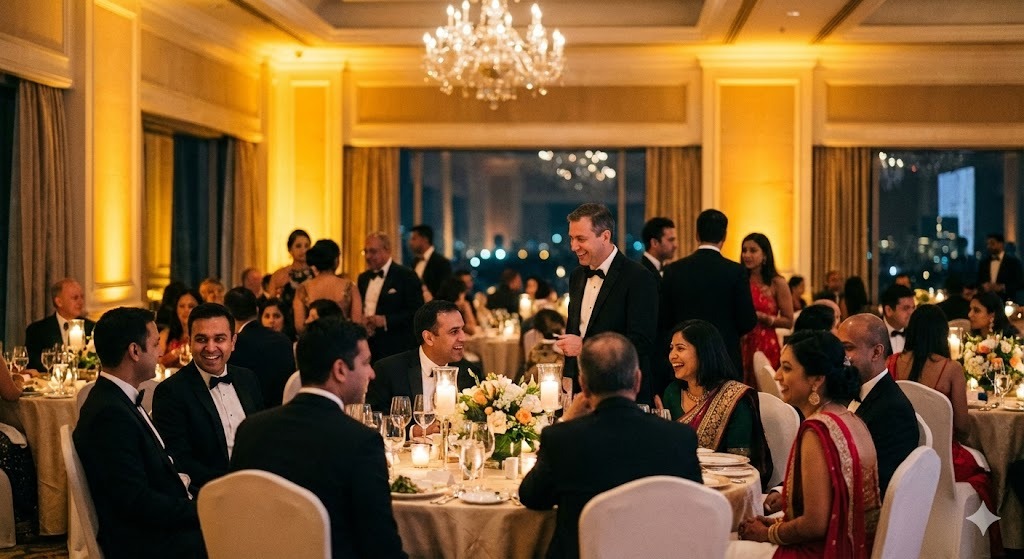
Practically, this means: give people enough time to actually talk (20-minute breaks, not 10). Create spaces that encourage conversation — high tables, lounge areas, even guided networking activities for larger events. And for the love of all things good, invest in decent catering. I’ve seen million-rupee events undermined by stale samosas. It shouldn’t happen, but it does.
Post-Event Follow-Up: The Forgotten Phase
For most companies, the event ends when the last attendee walks out the door. That’s a massive missed opportunity.
The 48 hours after an event is when the memory is freshest and the emotional connection is strongest. This is when you should be sending highlight videos, sharing presentation decks, posting photos, and — crucially — continuing conversations that started at the event.
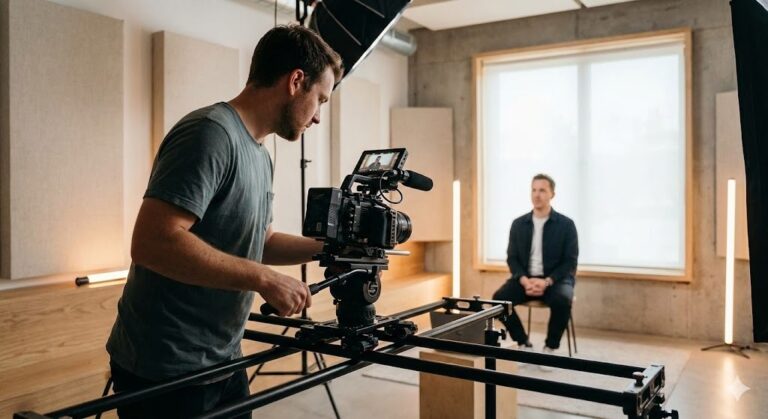
We’ve started offering clients post-event content packages: edited highlight reels, speaker clip compilations, and social media content that extends the event’s life for weeks. One client told us their post-event video got more internal engagement than the event itself. That’s not a failure of the event — it’s the event’s impact being amplified.
Technology: Use It, Don’t Worship It
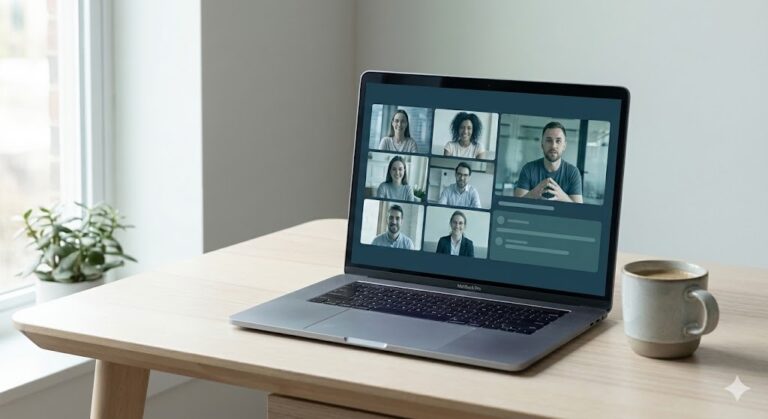
Look, I run a live streaming company. I obviously believe in technology’s role in events. Live streaming can extend your event’s reach to remote offices, global teams, and audiences who couldn’t attend in person. We’ve streamed corporate events that had 3x more online viewers than in-person attendees. That’s real value.
Event apps can streamline logistics, enable networking, and provide real-time updates. AR and VR can create immersive experiences for product launches and brand activations.
But here’s my honest take: technology should be invisible. The moment your audience is thinking about the technology instead of the content, you’ve overdone it. I’ve seen events use AR just because it seemed cutting-edge, and it ended up being a clunky distraction that ate 15 minutes of troubleshooting time. Use tech when it genuinely enhances the experience. Skip it when it’s just showing off.
The “One Thing” Rule
Here’s the most important piece of advice I can give you, and it’s embarrassingly simple: every great event has one moment that people remember. Plan for it.
I call it the “one thing” rule. When attendees go back to their desks the next day and a colleague asks, “How was the event?” — what’s the one thing they’ll mention? If you don’t know the answer to that question during your planning phase, you don’t have a memorable event yet.
It could be a surprise guest speaker. A live product reveal. An emotional video that tells your company’s story in a way nobody expected. A team activity that was genuinely fun. An act of generosity — a donation announcement, a community initiative reveal. It doesn’t have to be expensive. It has to be intentional.
We did a corporate anniversary event a couple of years ago where the “one thing” was a five-minute video featuring messages from the company’s earliest clients, talking about what the company meant to them. It cost almost nothing to produce — just some phone interviews and basic editing. The CEO cried. Half the room cried. People were talking about it months later. That’s what memorable looks like.
The Bottom Line
Making a corporate event memorable isn’t about having the biggest budget or the flashiest technology. It’s about being intentional at every stage — from the first five minutes to the follow-up email three days later. It’s about respecting your audience’s time enough to give them something worth remembering.
After 14 years and hundreds of events, I genuinely believe that every corporate event has the potential to be the one people talk about. Most just don’t try hard enough. Don’t be most.
If you’re planning a corporate event and want to make sure it’s not another forgettable one, let’s talk. We’ve helped companies across Bangalore — and across India — create events that people actually remember. Reach out at +91 96635 06306 or sales@thalsamaya.com. No pressure, no hard sell — just a conversation about what your event could be.